
Case study
Giorni: building a habit tracker for daily use, not just good screenshots.
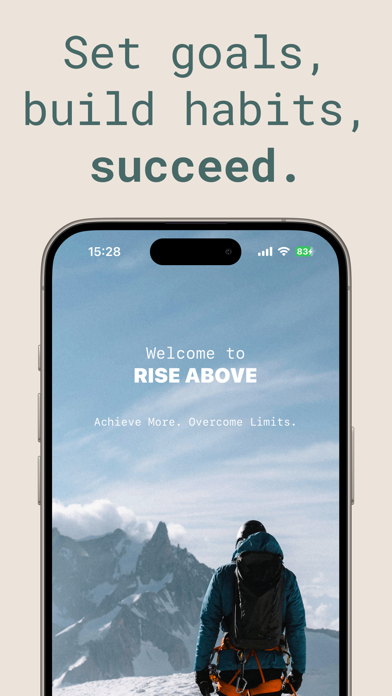
Giorni is a habit-tracking app built around simple daily use. The work centered on native UX, product clarity, and making the app feel lightweight enough to return to every day.
Product type
Habit-tracking app
A consumer app designed around repeat use, focus, and a clean path back into routine.
Focus
Clarity over feature bloat
Daily-use flows, product restraint, and native UX choices that support consistency.
Features
Widgets, iCloud sync, focus sessions
Useful native features tied to the product instead of bolted on for marketing copy.
This shipped
Public App Store product
Real-world execution, release handling, and iteration on a consumer-facing Apple app.
The challenge
Habit apps become noisy very easily.
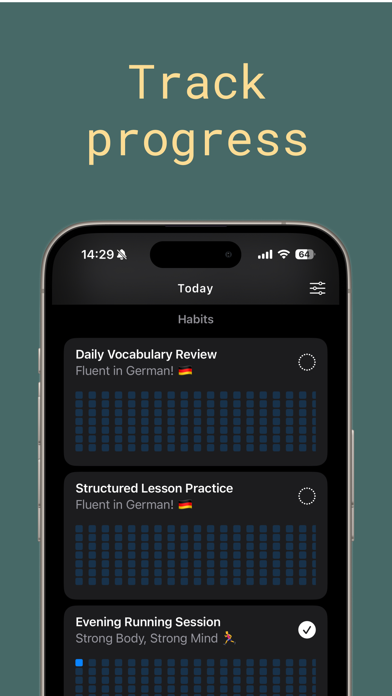
The problem was not just tracking habits. It was keeping the product focused enough that returning to it felt easy. That meant making careful UX choices around friction, feedback, and how much the app asks from someone on an ordinary day.
What I shipped
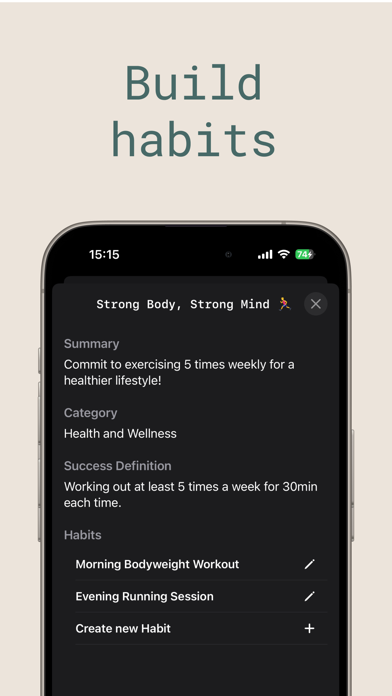
- A habit-tracking experience designed for simple daily check-ins instead of dense management UI.
- Focus sessions and supporting flows that help the product feel useful in the moment.
- Widgets and iCloud sync to make the app feel like a native Apple product across contexts.
- App Store-ready product polish, release handling, and the final quality work around launch.
What this shows
- I can ship consumer apps that depend on restraint, not just shipping more features.
- I care about native UX quality in products people use repeatedly, not only once at launch.
- I am comfortable handling product quality, engineering execution, and release details together.
Next
Building a product that needs this level of native execution?
I work with founders and small teams on Apple-platform products that need strong product taste and delivery discipline.